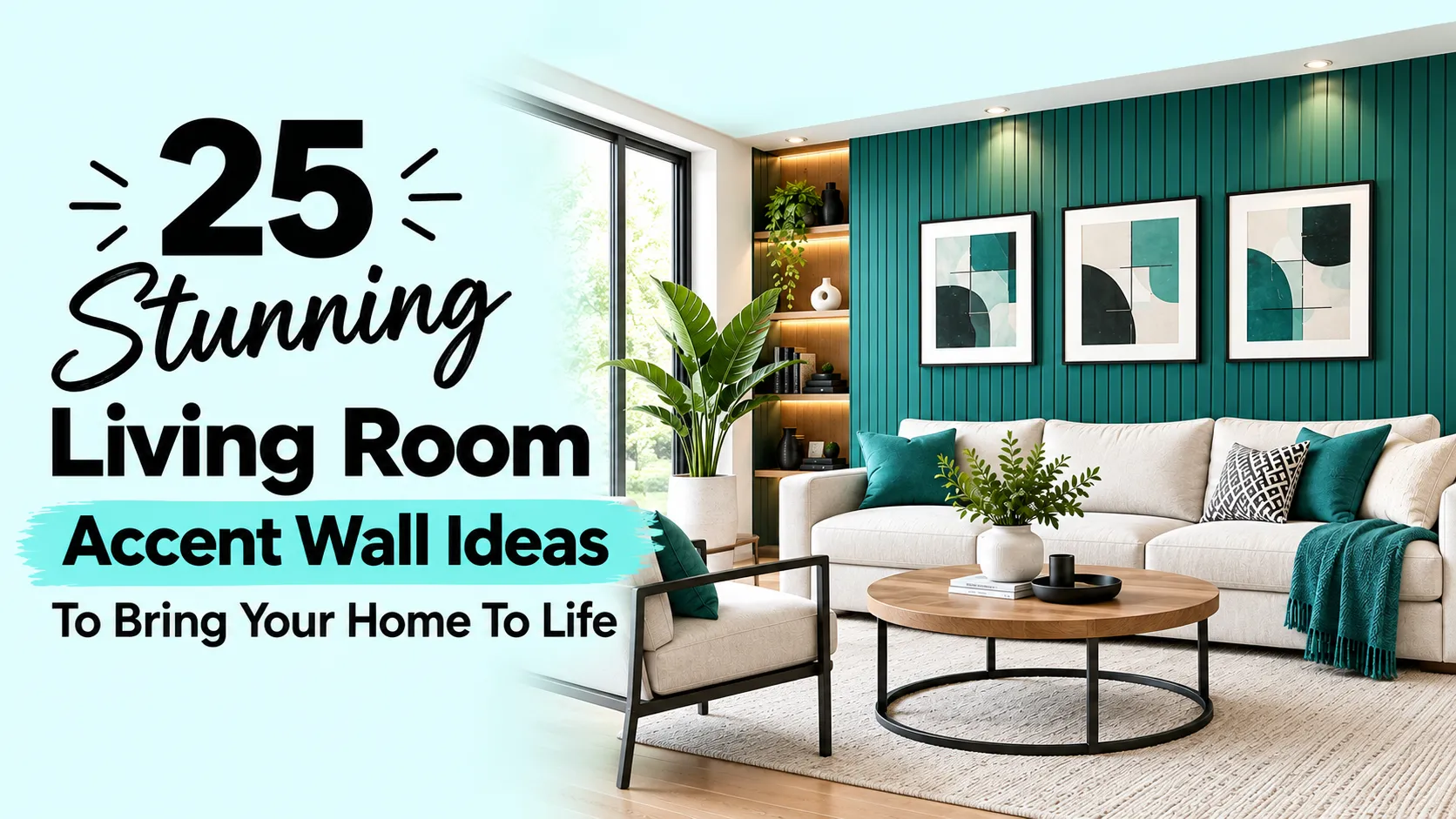
Accent walls can change the feel of your living room without a total makeover. Just choose one wall to work on and give it a new color, texture, pattern or finish.
A good accent wall can make a dull room come alive and give a stronger background to your furniture. These living room accent wall ideas will help you find a look that works for your space, budget and personal taste.
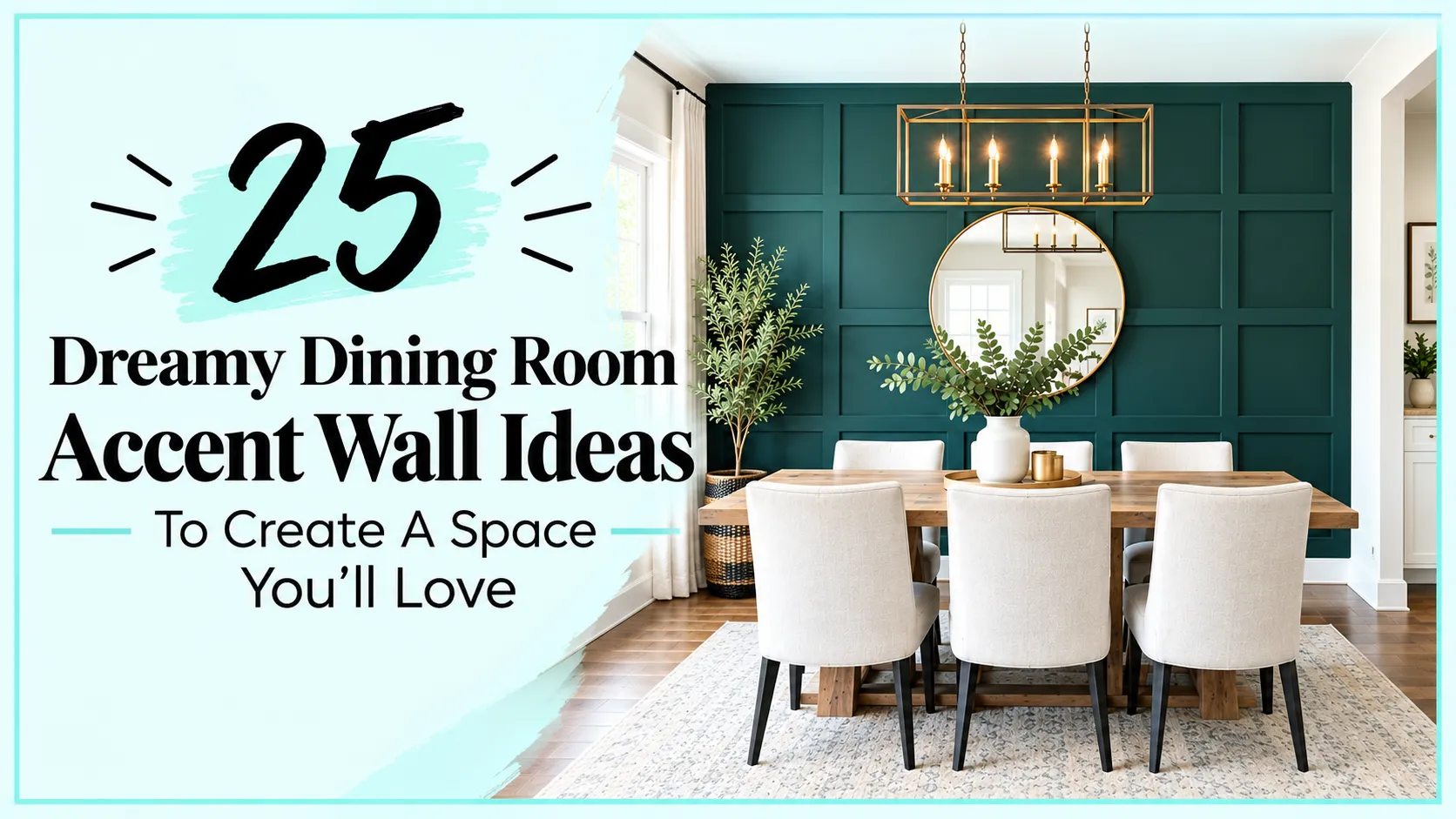
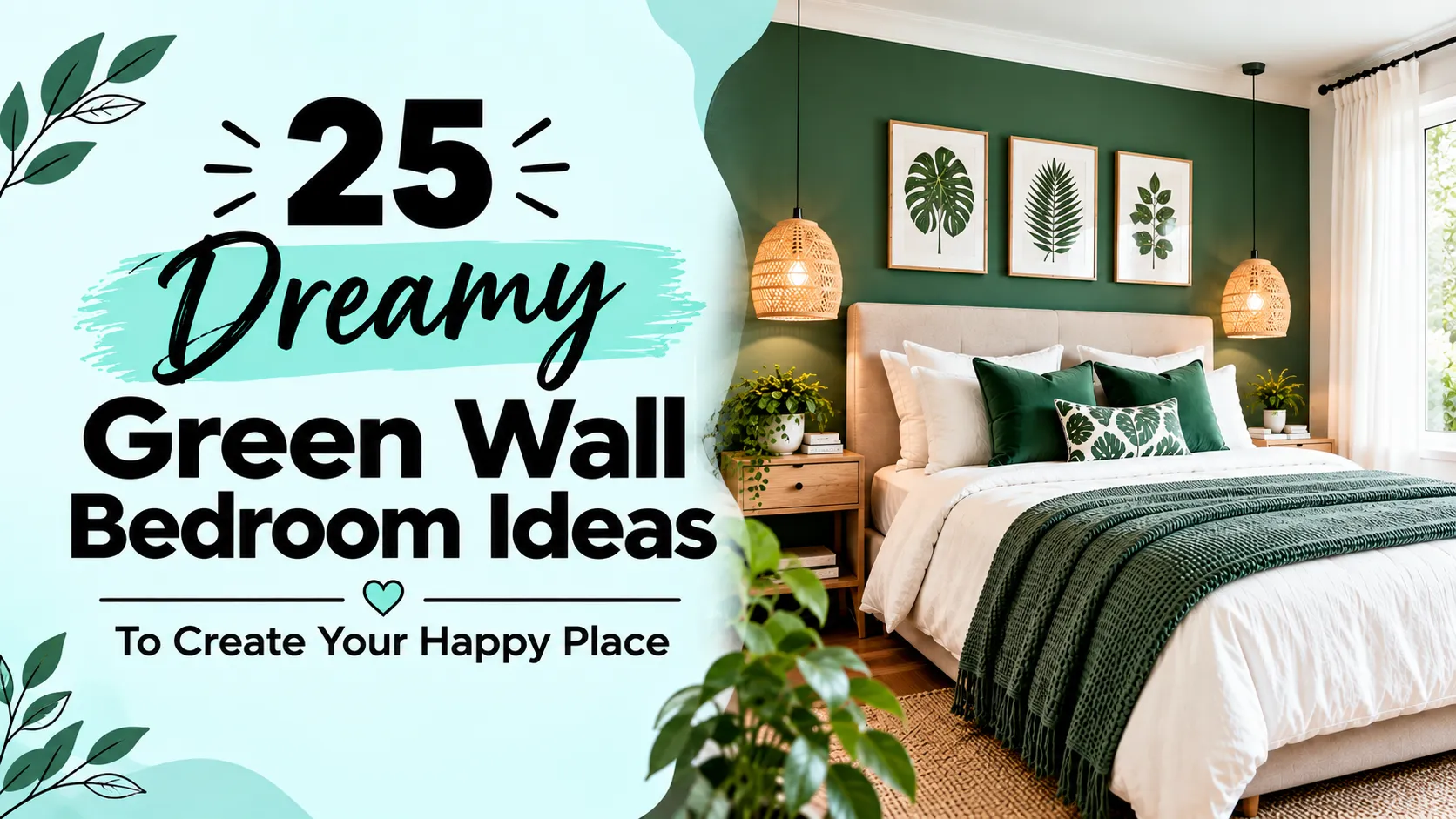
1. Dark Green Wall Paint
Deep green can give a rich and comfortable feel to your living room. It looks especially good behind a sofa, TV or fireplace. Pick a shade that feels warm rather than too bright. Pair with cream, beige, brown or natural wood furniture for a balanced look.
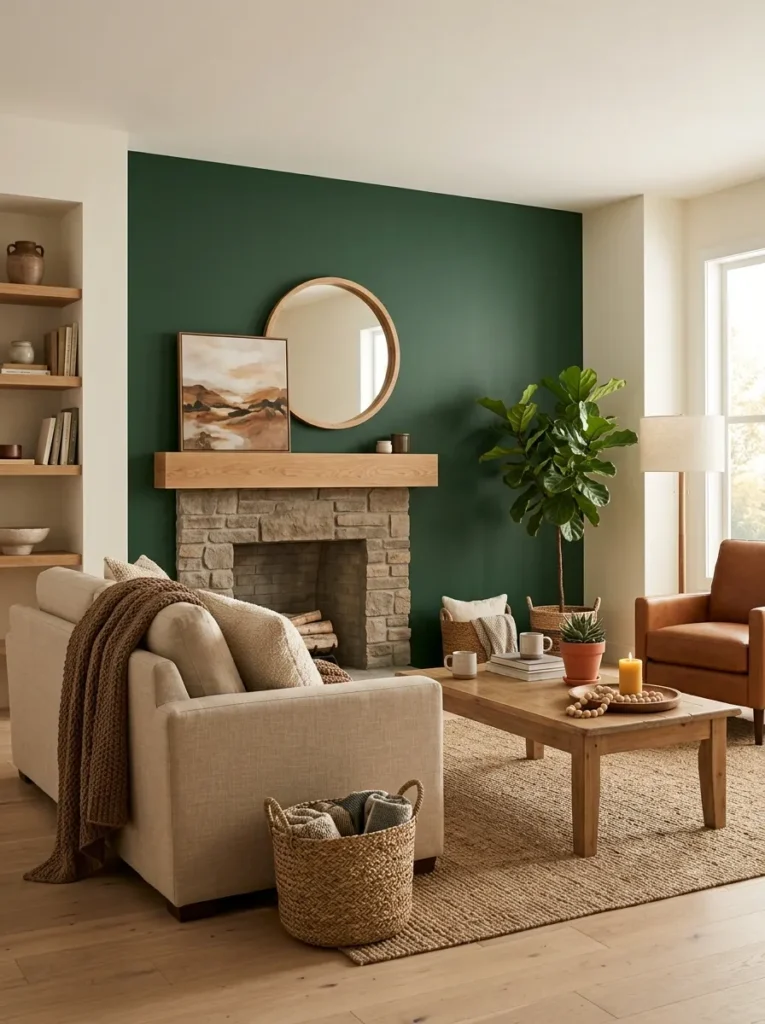
Let the rest of the walls be light so the green wall will stand out. Add plants, woven baskets or wooden accessories to connect the accent wall to the rest of the room. It works well in both traditional and modern living rooms.
2. Make A Black Accent Wall
A black accent wall can be a dramatic living room center of attention. You can apply it to one wall and it doesn’t have to darken the room. Keep larger pieces of furniture and adjacent walls and ceilings in lighter colors for contrast.
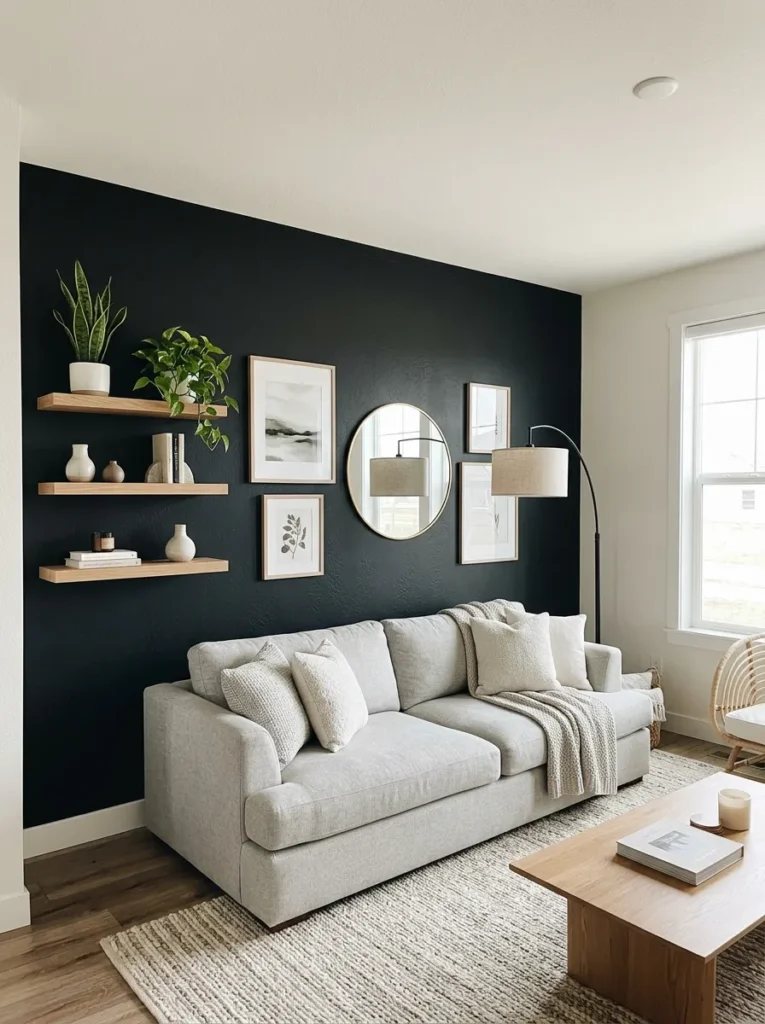
Black also makes a good background for art work, mirrors, shelves and light furniture. If a full black wall seems too strong, go for a softer charcoal shade. A little softer look gives the same effect.
3. Accent Wall In Warm Beige
For a natural, calm look for your accent wall, opt for a simple beige. A warm beige tone adds depth without a dramatic change in color. It works particularly well on white sofas, wooden furniture and neutral rugs.
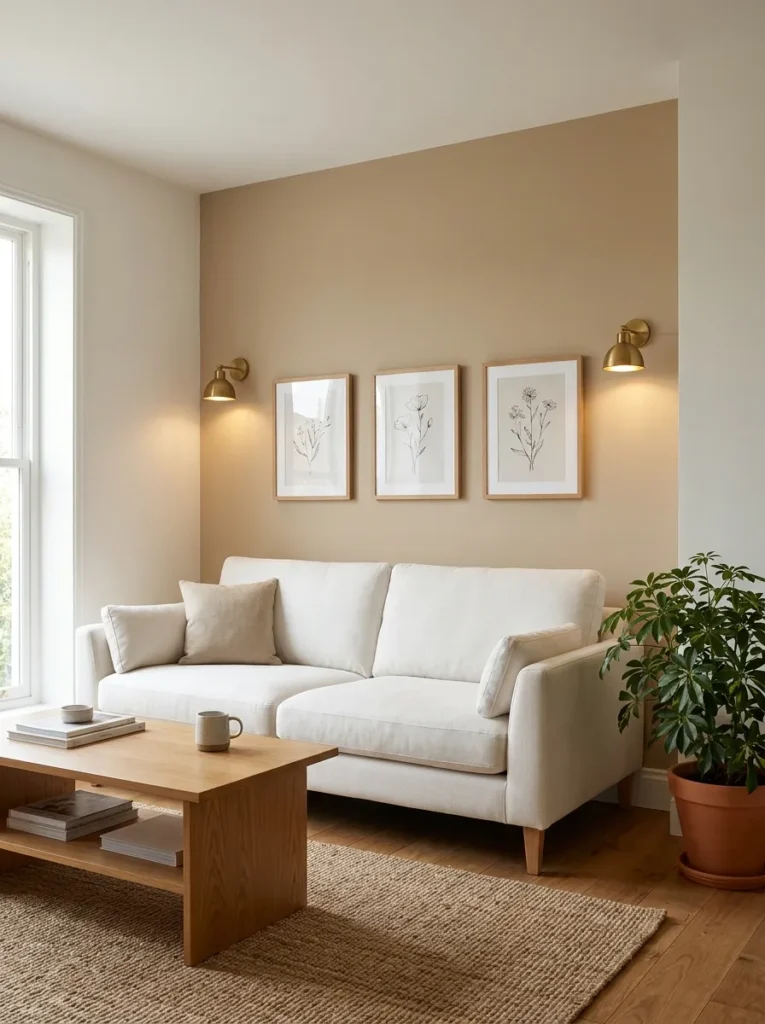
This idea is good for homes where you like to have subtle decors. You can add a framed artwork, wall lights or a large mirror to give the wall a more interesting look. The result feels polished, but the accent wall doesn’t dominate the room.
4. Add Wooden Slats
Wood slat walls add warmth and texture to a modern living room. Vertical slats can be especially useful because they can create the illusion of a taller ceiling. You can put them behind the TV, sofa or a reading corner.
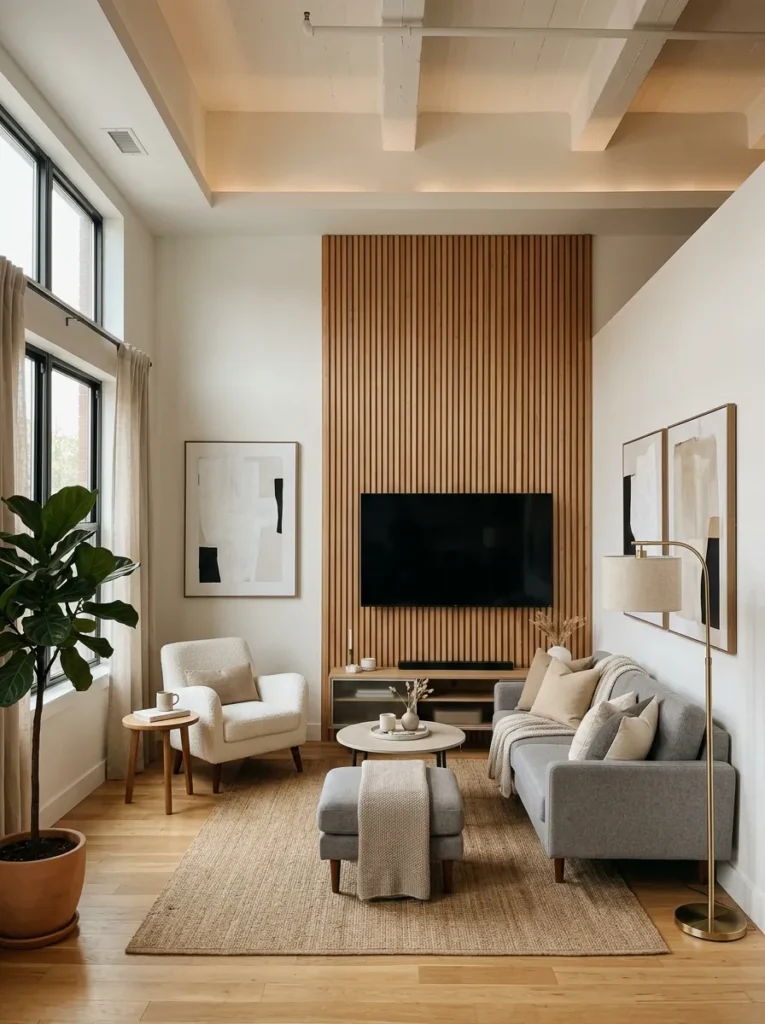
Natural wood complements neutral colors and simple furniture. If you’re not in the budget for a real wood finish, look into wood-look panels or other lightweight options. Let the wall be the star of the show by keeping the surrounding decor simple.
5. Implement A Brick Accent Wall
Exposed brick in the living room can give it a warm, somewhat rustic feel. It is well suited to industrial, farmhouse, modern and vintage decors. A brick wall can add visual texture, too, without extra artwork.
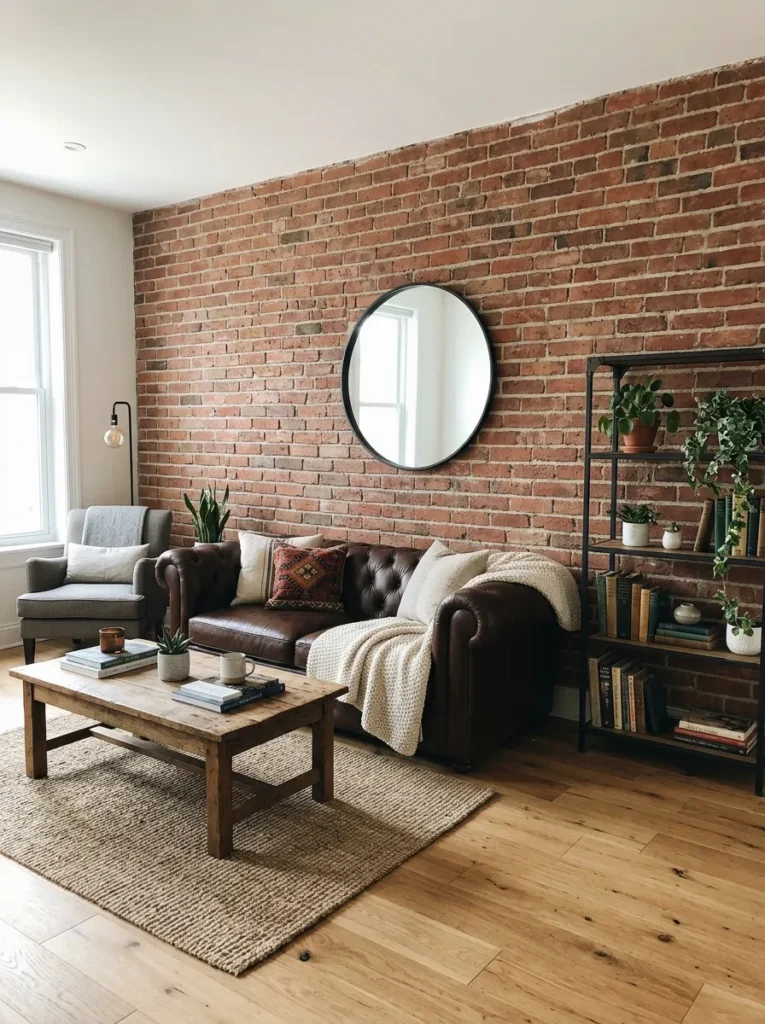
If real brick is not possible, brick veneer or brick-effect wallpaper can duplicate the look. Another choice is white brick for a brighter room. Add leather furniture, details in metal or wooden pieces to reinforce the overall style.
6. Stone Wall Panel Installation
Stone can lend a substantial, natural feel to an accent wall. It works especially well around fireplaces and television walls. Select a lighter stone if you want a relaxed room or darker stone for a stronger center of attention.
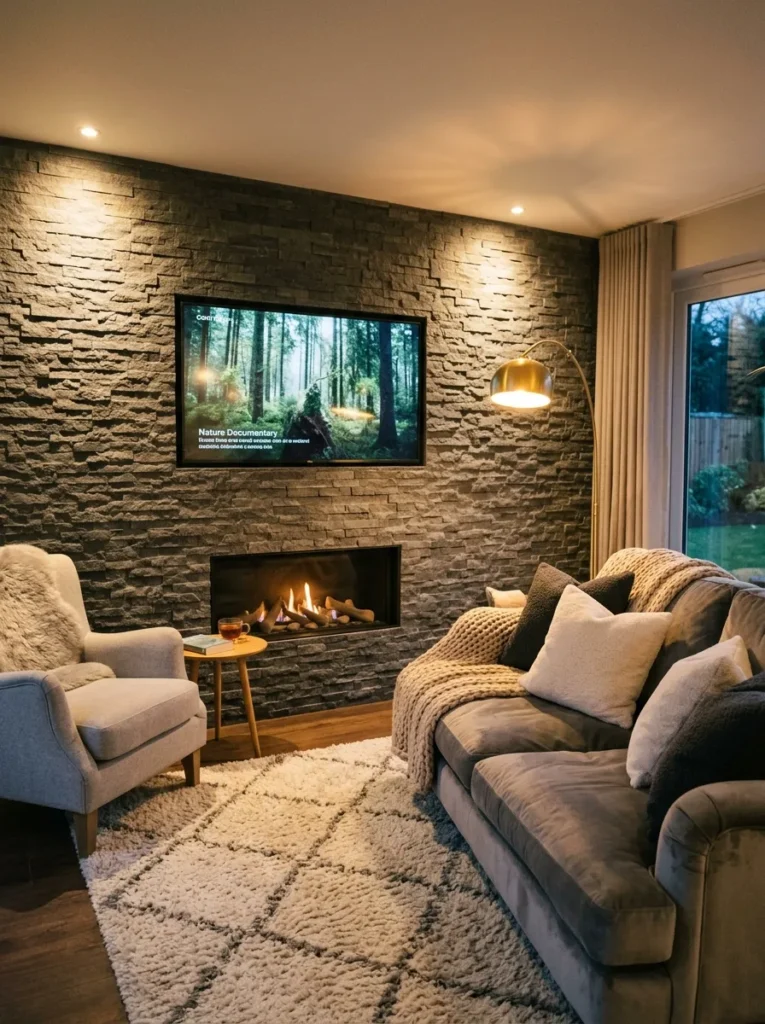
Stone-look panels can give you the look without the weight and installation hassles of natural stone. Blend the wall with soft fabrics and warm light. This stops the room feeling too hard or cold.
7. Navy Blue Accent Wall Paint
Navy blue is a strong color, but it still has a relaxed, adaptable feel. It would make a sophisticated backdrop to a pale colored sofa. Navy is also a nice match with brass, gold, white, cream and natural wood.
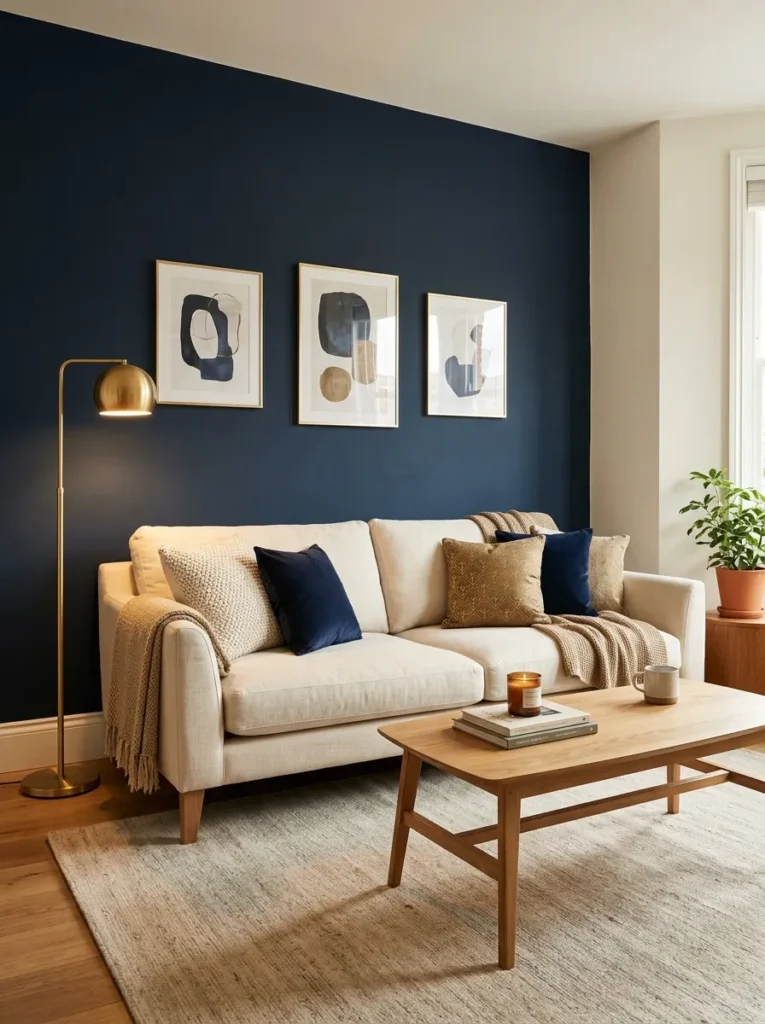
The deeper color will be balanced by warm lamps and soft furnishings. You can also break up the wall with lighter framed artwork. This creates an attractive centerpiece without filling the whole room with dark colors.
8. Install Geometric Wall Molding
A plain living room wall can be jazzed up with some geometric wall molding for architectural detail. A simple trim can be used to make squares, rectangles or larger geometric designs. Paint everything the same color for a clean, modern look.
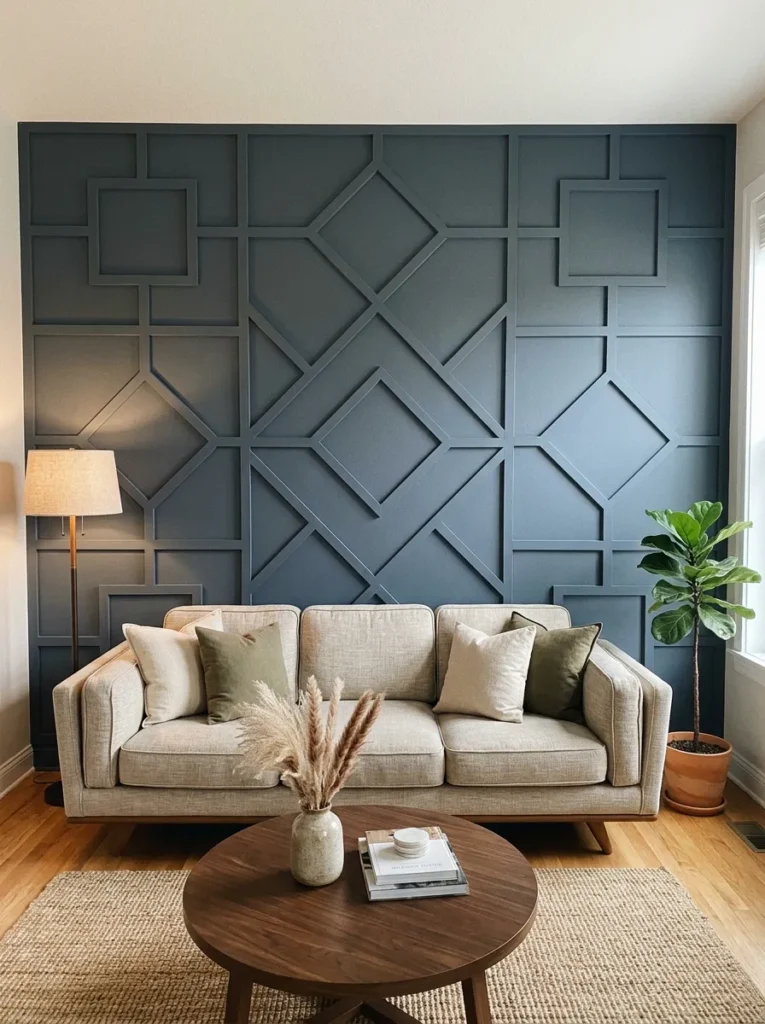
Especially nice behind a sofa as the pattern adds interest without the need for large artwork. Take careful measurements before you install the trim. Evenly spaced, they will make the finished wall look much more professional.
9. Build A Vertical Panel Wall
Vertical wall panels can give a living room the illusion of height, and also add subtle texture. They can be painted white, beige, gray, green or almost any color that fits your decor. The simple lines create a nice clean background.
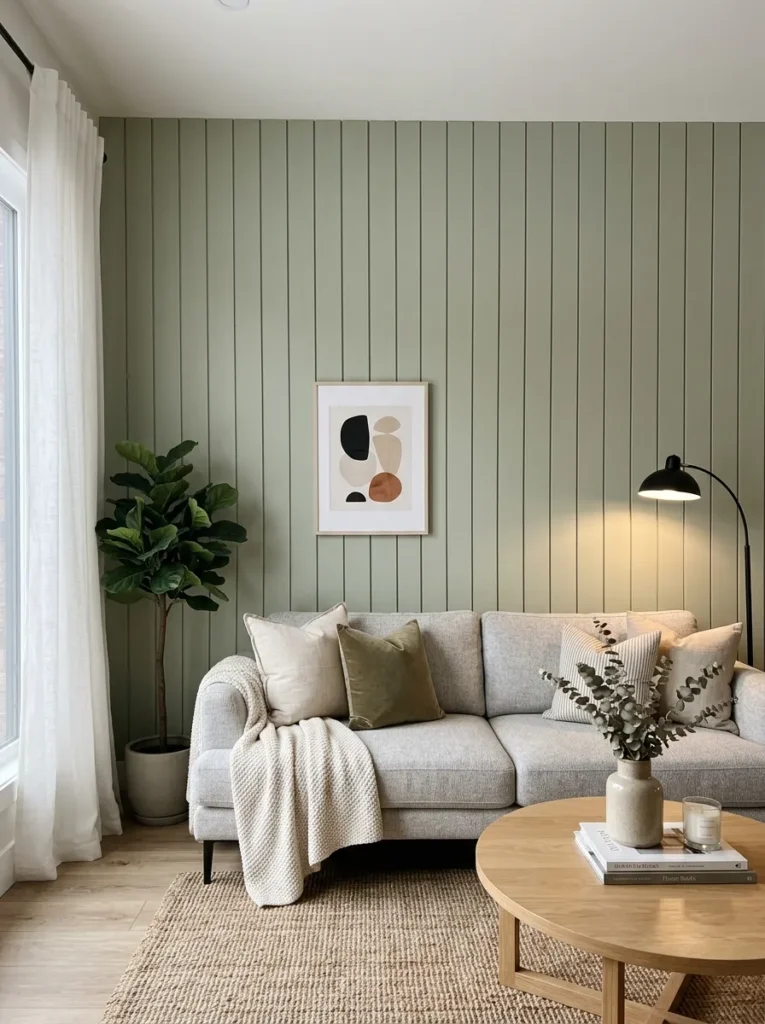
Easy points of interest are vertical panels behind a sofa or entertainment unit. Choose fairly simple shapes for furniture so that the lines don’t compete with other patterns. This style works in both modern and traditional spaces.
10. Opt For Botanical Patterned Wallpaper
Botanical Wallpaper Botanical wallpaper can add pattern and nature-inspired detail to your living room. Big leaves can make a big statement, whereas smaller patterns offer a quieter look.” Pick colors that are already in your furniture or accessories.
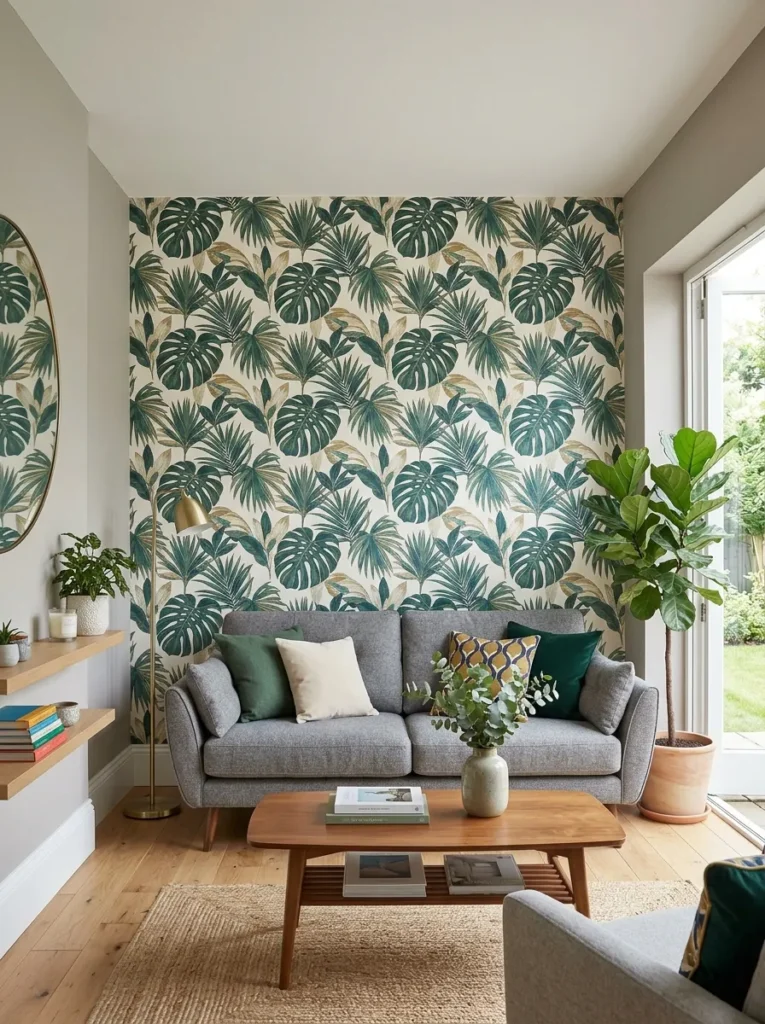
Wallpaper is a good choice if you want more detail than you can get with paint. Use it on one wall rather than covering the whole room. This keeps the design clean, and the pattern from getting overwhelming.
11. Apply A Textured Plaster Finish
A textured plaster finish can make an accent wall get a handmade look. Subtle texture is good for rooms with simple furniture as it adds interest without the use of strong colors. Warm gray, cream and soft beige are useful choices.
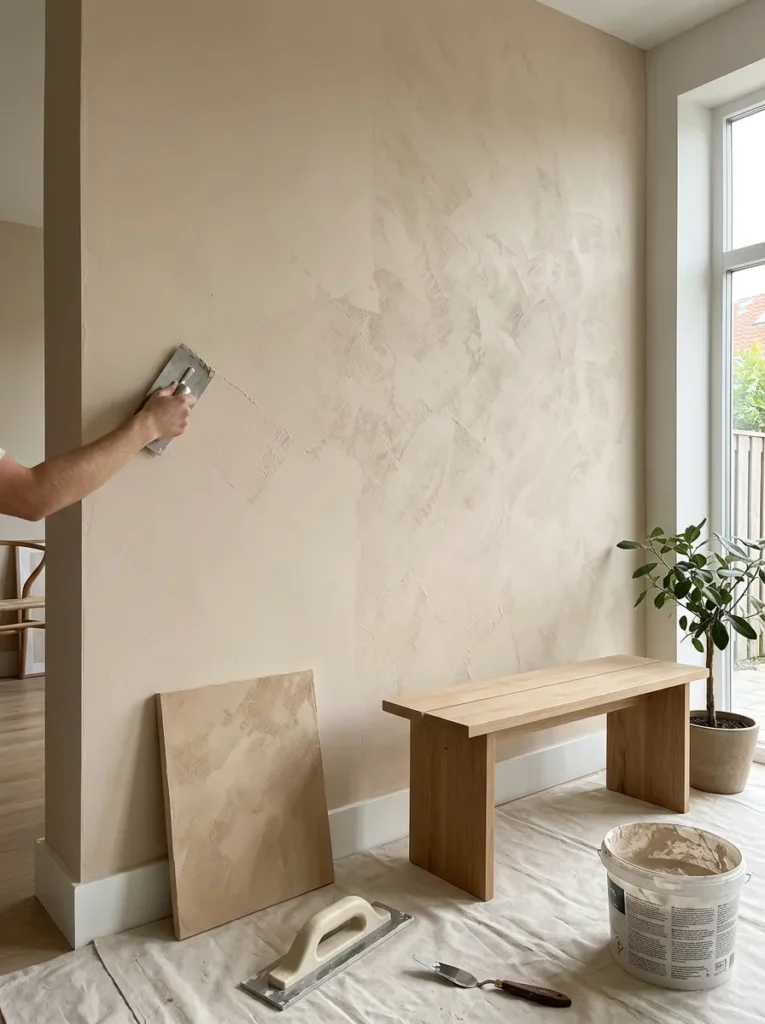
Or you could choose textured paint products designed for interior walls. Try the finish on a small board, before you do the main wall. This will allow you to see how the texture will look under your room’s lighting.
12. Create A Gallery Wall
A gallery wall can make a plain living room wall into a personal statement. Combine family photos, art, prints and decorative pieces for visual interest. Link everything together with frames that have the same color or finish.
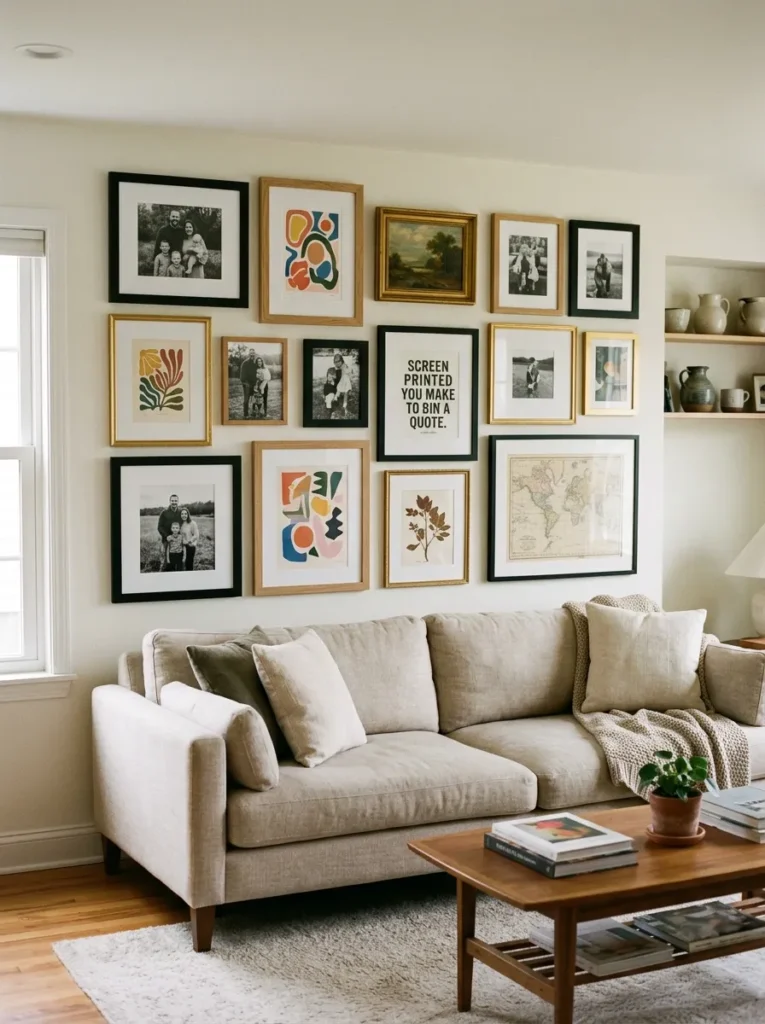
Frames can be arranged symmetrically or in a more casual fashion. Before hanging anything, plan the arrangement on the floor. This makes it easier to adjust the spacing and find a composition that works for the wall.
13. Turn The Fireplace Wall Into The Accent Wall
If you have a fireplace in your living room, then it can be the accent wall naturally. Change the color of the wall or add tile, stone or wood around the fireplace. This immediately makes an obvious focus.
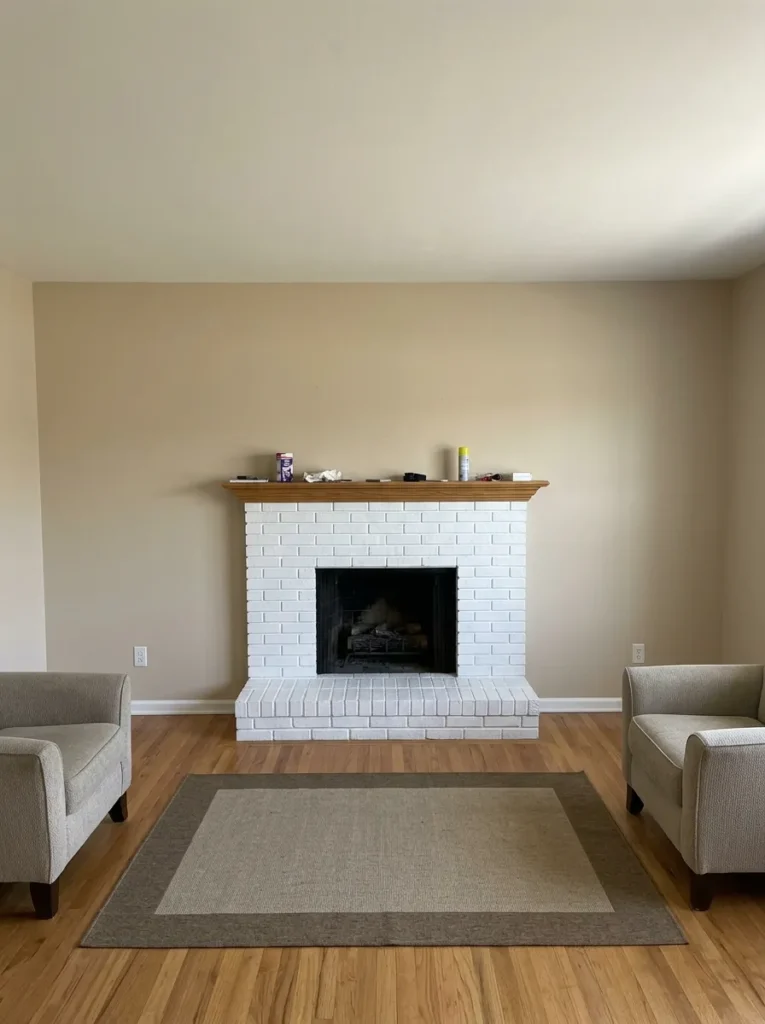
Keep the decoration around the fireplace under control so that the wall does not look crowded. A large mirror, artwork or simple mantel decor can complete the space. Select materials that are safe for the type of fireplace you have.
14. Design A Two-Tone Accent Wall
A two-tone accent wall adds more visual interest and doesn’t require wallpaper or expensive materials. Divide the wall in half and use two complementary colors. You can also do a vertical split for a more modern look.
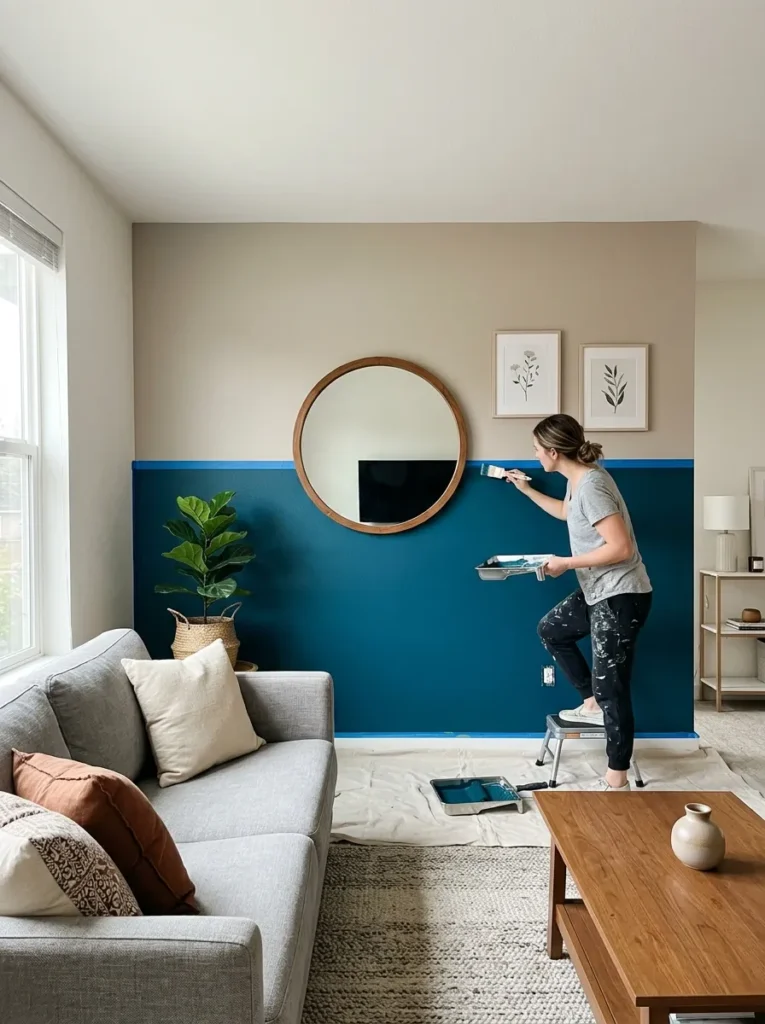
Painter’s tape for a clean line for a dividing line. Pick colors with enough contrast to see the design. Keep the other walls fairly simple so the two-tone design is still the main feature.
15. Make A Big Mirror Wall
Big mirrors can make a living room feel bigger and brighter. Forget a bunch of small mirrors, go for one big statement mirror on your accent wall. Put it where it will catch natural light or a nice part of the room.
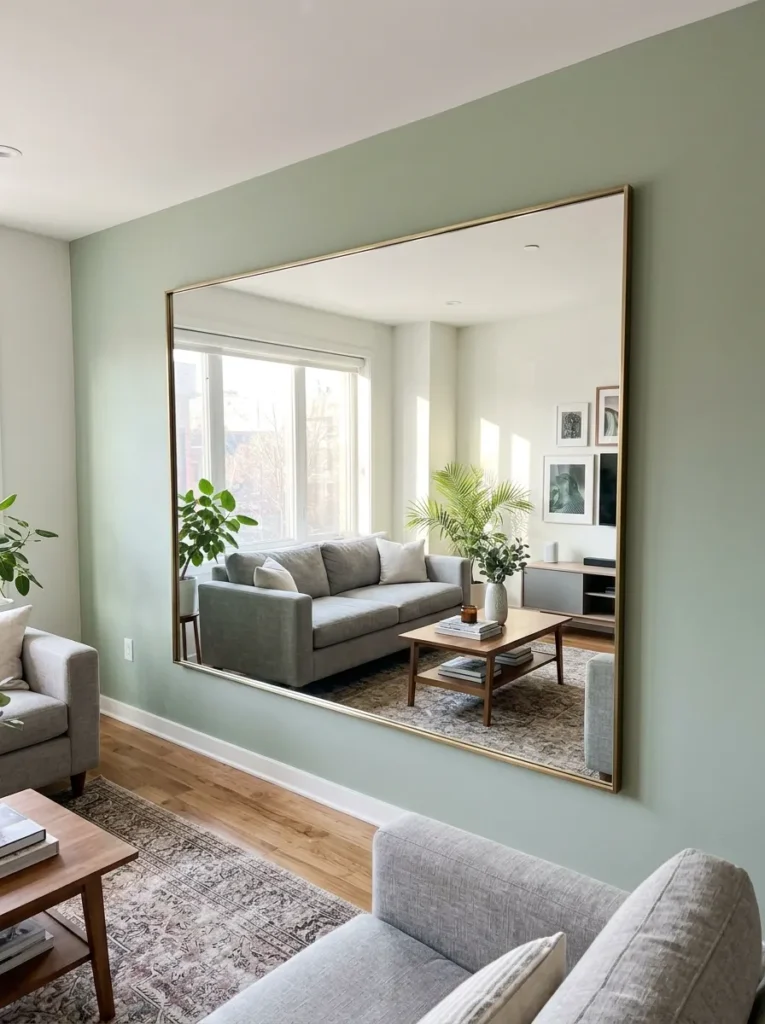
Choose a frame that will go with your furniture and light fixtures. A wooden frame can add warmth, while a metal frame can give a more modern look. Avoid placing the mirror where it reflects the mess or an unattractive view.
16. Dark Gray Paint
Dark gray is a versatile option for an accent wall in the living room. It adds depth but feels softer than black. The color works well with white, cream, tan, natural wood and many metal finishes.
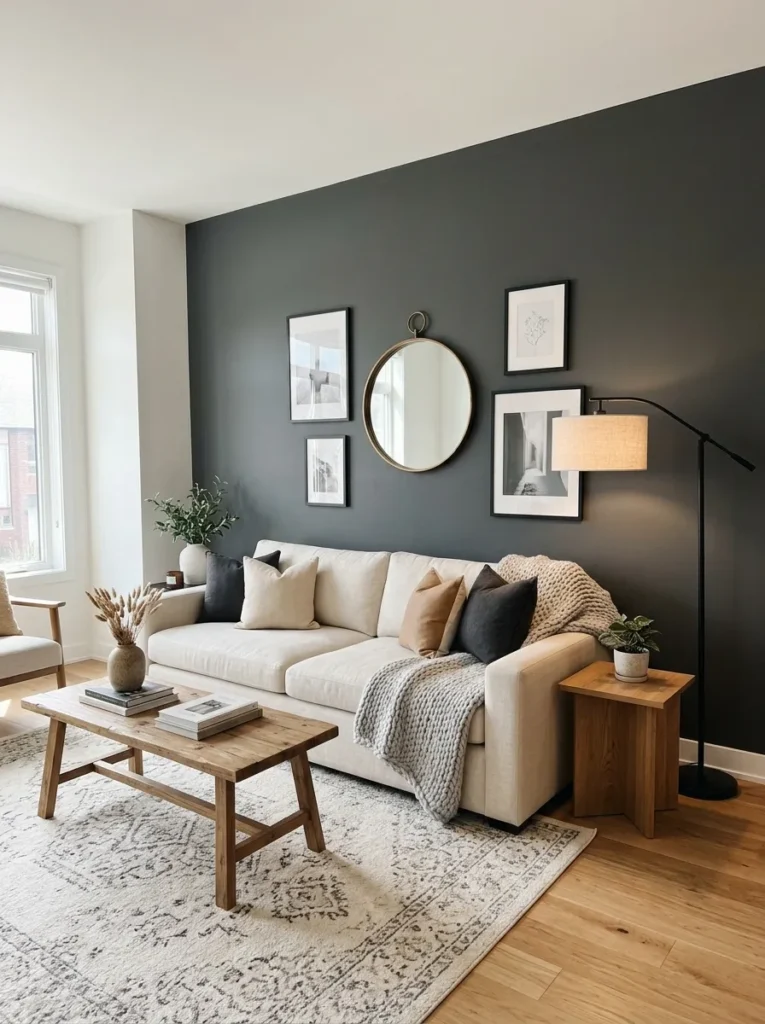
High contrast is created by dark gray behind a light sofa or television. In the evening the wall can be softened by warm lighting. If your living room doesn’t get much daylight then go for a lighter gray so the room doesn’t feel too enclosed.
17. Employ Decorative Wall Panels
Decorative wall panels are an easy way to add some structure to a plain living room. There are lines raised, curves, even simple rectangles. Choose a style that complements the furniture, not conflicts with it.
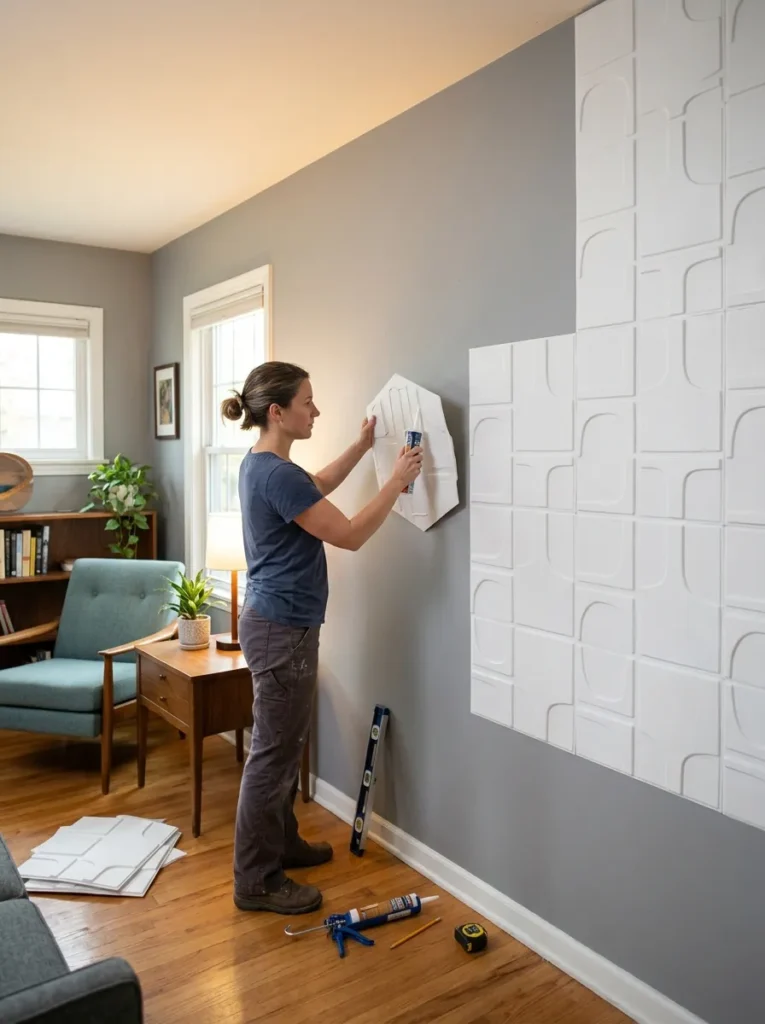
Subtle effect – paint the panels and wall the same color. The contrasting color makes the pattern pop more. Either works depending on whether you want the wall to be a bold statement or a quiet statement.
18. Make A Painted Arch
Use a painted arch to frame a certain area in your living room. You could place an arch behind a reading chair, console table or small display. Choose a color that gently contrasts with the main wall color.
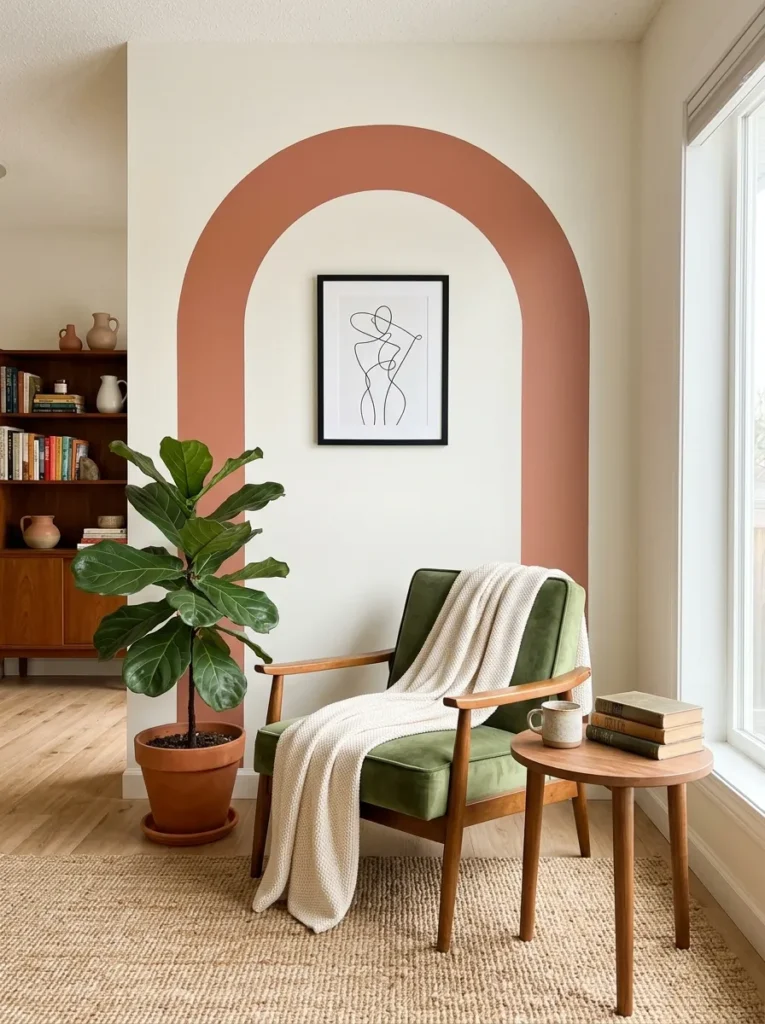
This idea works good when you want an accent without painting the whole wall. Paint carefully, using a template or marking the curve. A clean outline makes a huge difference to the end product.
19. Incorporate A Rustic Wood Accent Wall
Reclaimed or rustic-looking wood gives a living room a warm and relaxed character. Different wood tones can provide natural variation across the wall. This works particularly well with comfortable sofas, woven area rugs, and simple lighting.
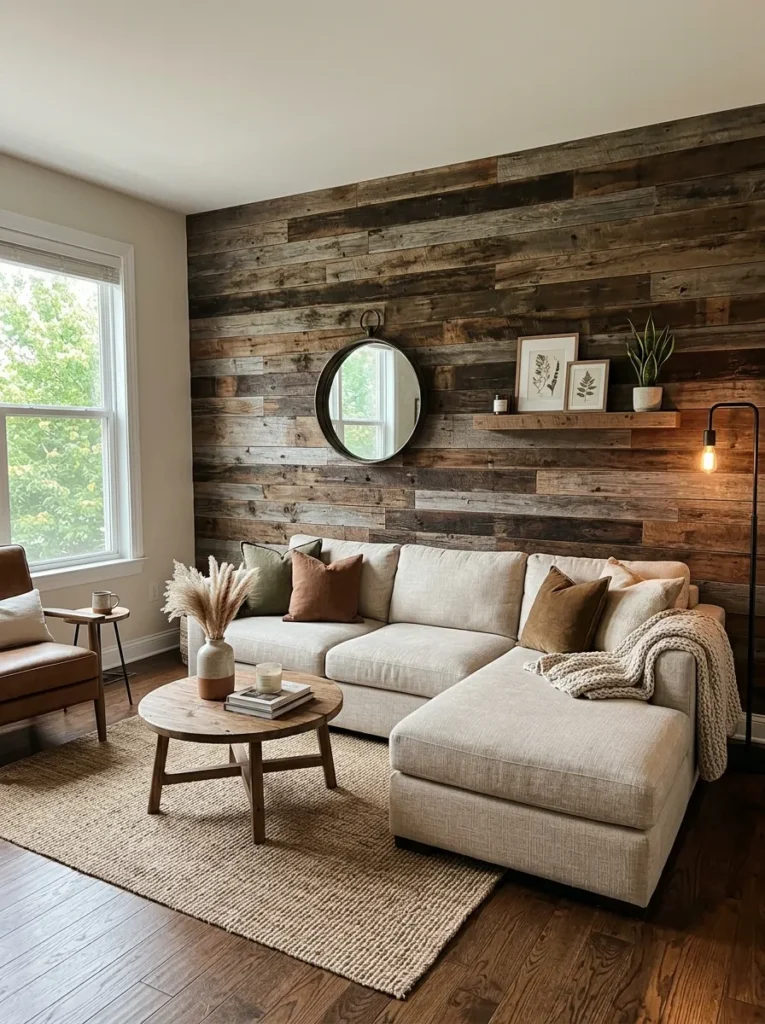
If you can’t find real reclaimed wood, look for manufactured boards with a weathered finish. Mount the boards horizontally for a wider look or vertically for more height. Make sure the material is for indoor wall use.
20. Use A Terracotta Accent Color
Terracotta can add warmth to a living room without being as strong as bright red. Works well with cream, beige, brown, olive green, natural wood. The color can create a comfortable background for relaxed furniture.
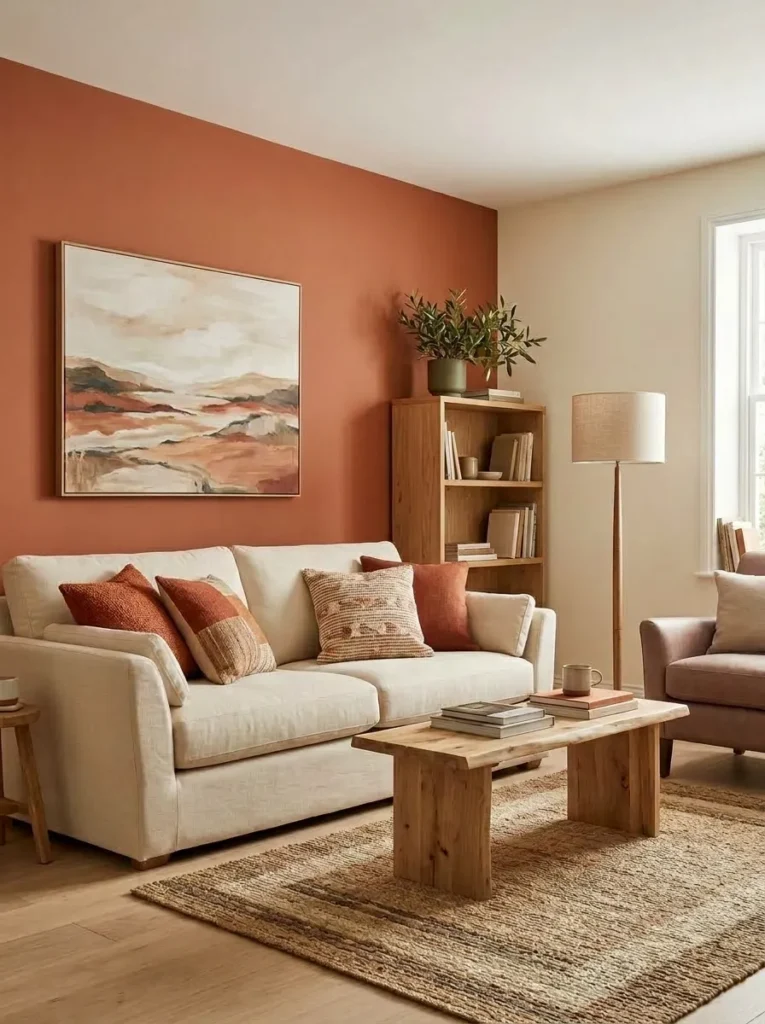
Place terracotta behind a sofa or reading area to define the space. Add cushions or artwork in similar warm tones to tie the wall in with the rest of the room. Restrict other strong colors for a more balanced effect.
21. Make A TV accent wall
The TV wall is often the biggest continuous wall in a living room. It’s an easy way to make the entertainment area feel more deliberate by turning it into an accent wall. Paint, wood paneling, wallpaper, stone or simple molding can all be used.
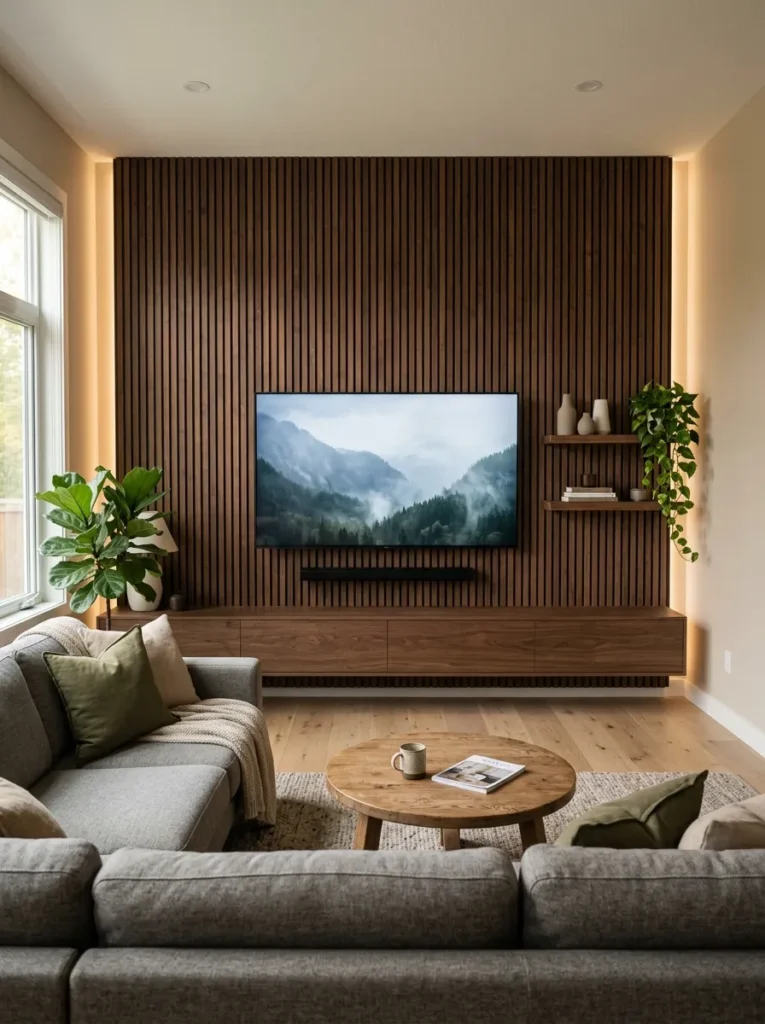
Choose a finish that reduces the visual clutter around the television. Good cable management is also important, as visible wires can be a distraction for the design. If you need more storage space, add a floating cabinet or simple shelves.
22. Go For A Soft Sage Green Wall
Sage green is a soft accent that doesn’t make the room too colorful. Pairs well with white, cream, light wood, beige, natural fabrics. This makes it a good pick for laid-back living room designs.
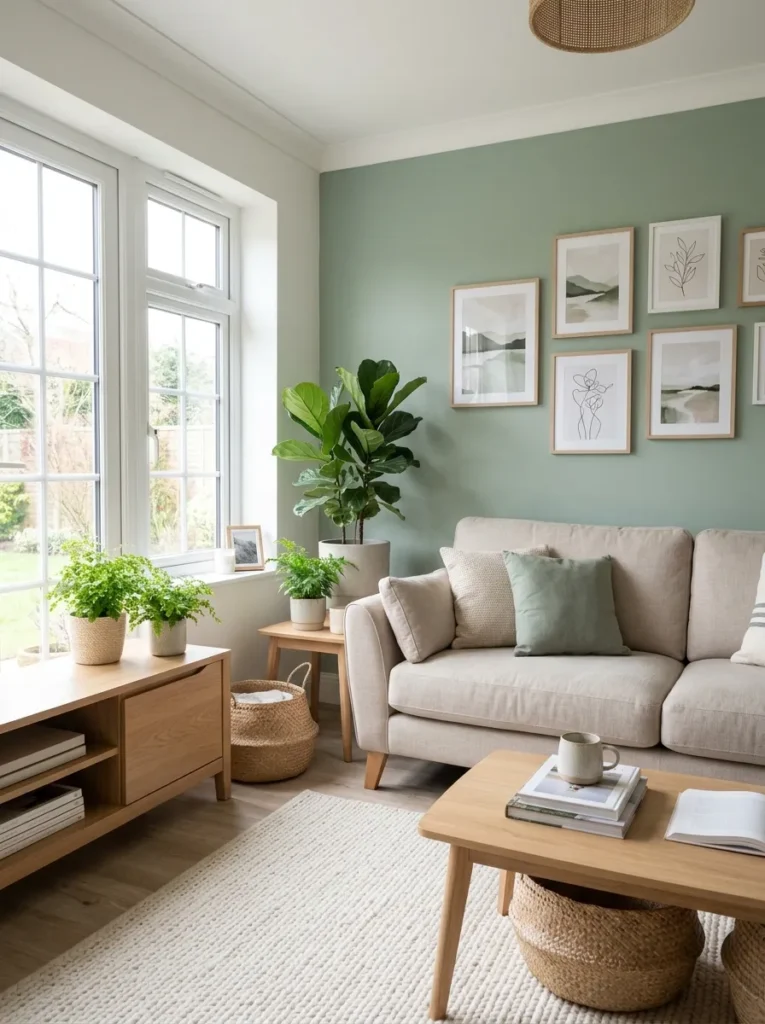
Sage also looks good in rooms with a lot of natural light. Add plants and some basic artwork to enhance the natural feel. If your furniture is already colorful, opt for a muted sage to maintain the balance.
23. Curtains From Floor To Ceiling
Curtains can create the illusion of an accent wall and soften the room. To create a taller appearance, hang them from near the ceiling to the floor. Choose a color or pattern that contrasts with the other walls.
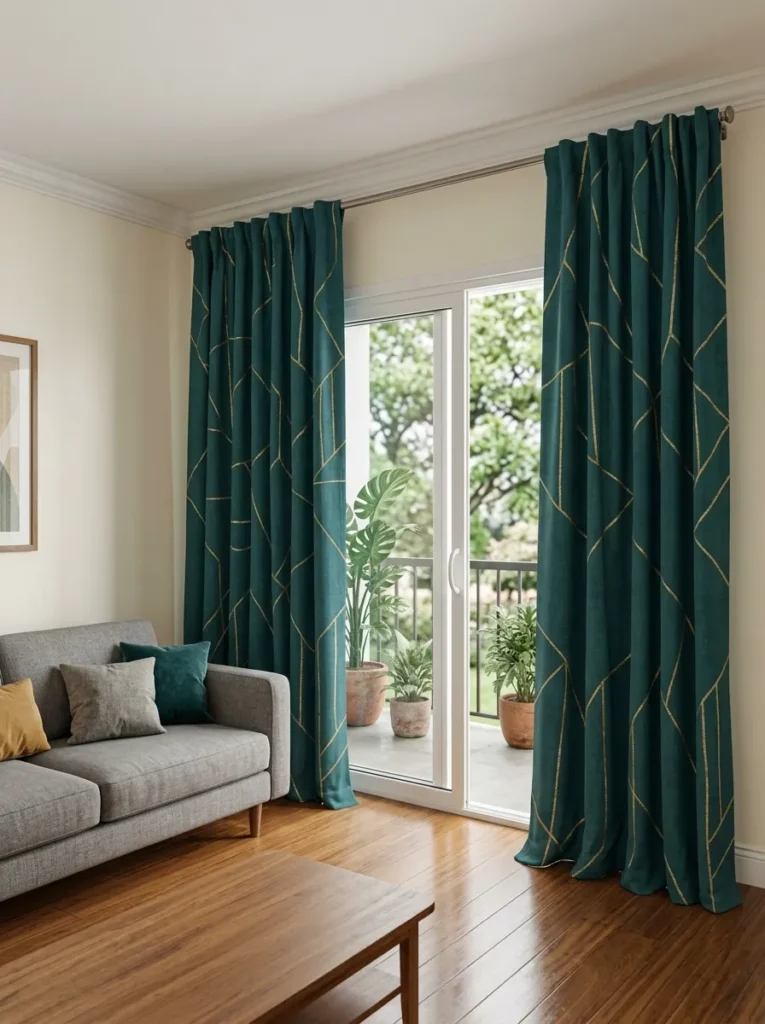
This is particularly a good idea if you have large windows or sliding doors. Thick drapes can make the living room feel warmer and more comfortable, too. Go for light fabrics if you want your space to feel open and bright.
24. Add A White Minimalist Accent Wall
An accent wall doesn’t always have to be a dark or bold color. Add texture, molding, artwork or carefully chosen furniture and a white wall can be the star of the show. This is a great way to go for minimalistic living rooms.
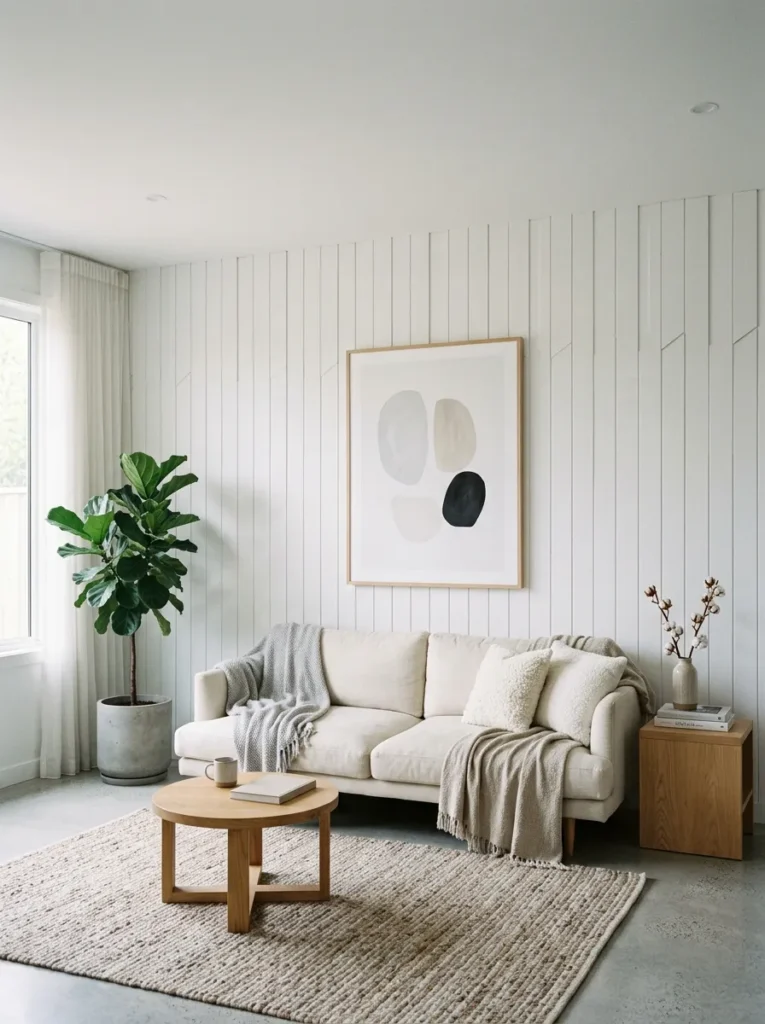
Go for white wall panels behind a neutral sofa or a large piece of artwork against a stark white background. Use a variety of textures to create interest in the space. Natural wood and soft fabrics can keep the room from looking too plain.
25. Blend Paint And Wood
One great way to create a layered accent wall is to use painted sections, combined with wood. You could have wood slats on one side and a solid color on the other. This gives you texture and color without having to use one material for the whole wall.
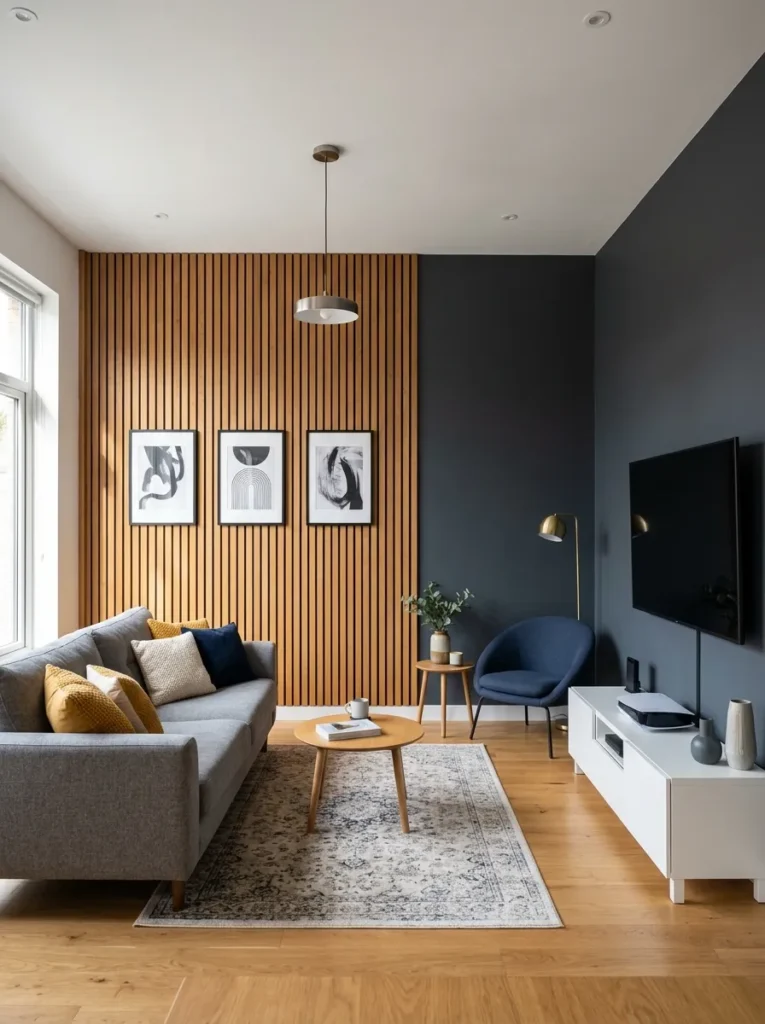
Also this design can help to define different areas in an open-plan living room. Use the wooden section behind a couch and the painted section near a TV or reading area. Coordinate your colors and wood tones for a cohesive look.
The END!
Best living room accent wall ideas not all accent walls are built with expensive materials and construction a single wall can be totally transformed with a new paint color, simple molding, wallpaper, wood panels or artwork.
Before you start, look at the lighting in your room, the furniture, the floor color and the existing decor. Choose an accent wall that will add something useful to the room and not just more decoration.